January 26, 2026
As the world increasingly prioritizes environmentally responsible building practices, property owners and developers are seeking solutions that combine durability, efficiency, and sustainability. Metal building construction has emerged as a leading choice for eco-friendly projects due to its long-lasting materials, energy efficiency, and adaptability. Beyond simple structural benefits, metal buildings offer a way to create versatile spaces that meet both functional and environmental goals. Whether designing a commercial facility, agricultural building, or barndominium, metal construction delivers significant sustainability advantages that traditional materials often can't match.
Maximizing Longevity
One of the most compelling reasons to consider metal building construction is its unparalleled durability. Steel and other metals used in these structures resist rot, pests, and environmental degradation, which significantly reduces the frequency of repairs and replacements. Unlike wood or conventional building materials that may succumb to termites, mold, or water damage, metal buildings maintain their integrity over decades. This extended lifespan minimizes the demand for raw materials over time, contributing to resource conservation. Property owners can enjoy a robust structure with minimal maintenance costs while also reducing the environmental footprint associated with frequent repairs or rebuilds.
Moreover, metal’s inherent resistance to fire and severe weather events adds an extra layer of sustainability. Buildings that withstand storms and fires reduce the likelihood of catastrophic material loss, which in turn lowers the need for new construction resources. This durability ensures that metal building construction is a smart long-term investment not only for financial reasons but also for environmentally conscious design goals.
Enhancing Energy Efficiency
Energy efficiency is another area where metal building construction shines. Modern metal buildings can be outfitted with reflective coatings, insulated panels, and energy-efficient roofing systems that significantly reduce heating and cooling requirements. By maintaining a stable indoor temperature, these buildings reduce reliance on fossil-fuel-powered HVAC systems, directly lowering carbon emissions.
Additionally, the reflective properties of metal roofs can decrease the urban heat island effect in densely developed areas. This not only benefits the immediate building occupants but also contributes to broader environmental sustainability. With careful planning, metal structures can even incorporate solar panels, further enhancing energy efficiency and supporting a clean energy approach. By combining advanced insulation and energy-saving technologies, metal building construction allows eco-conscious developers to meet stringent green building standards while creating comfortable, functional spaces.
Reducing Waste
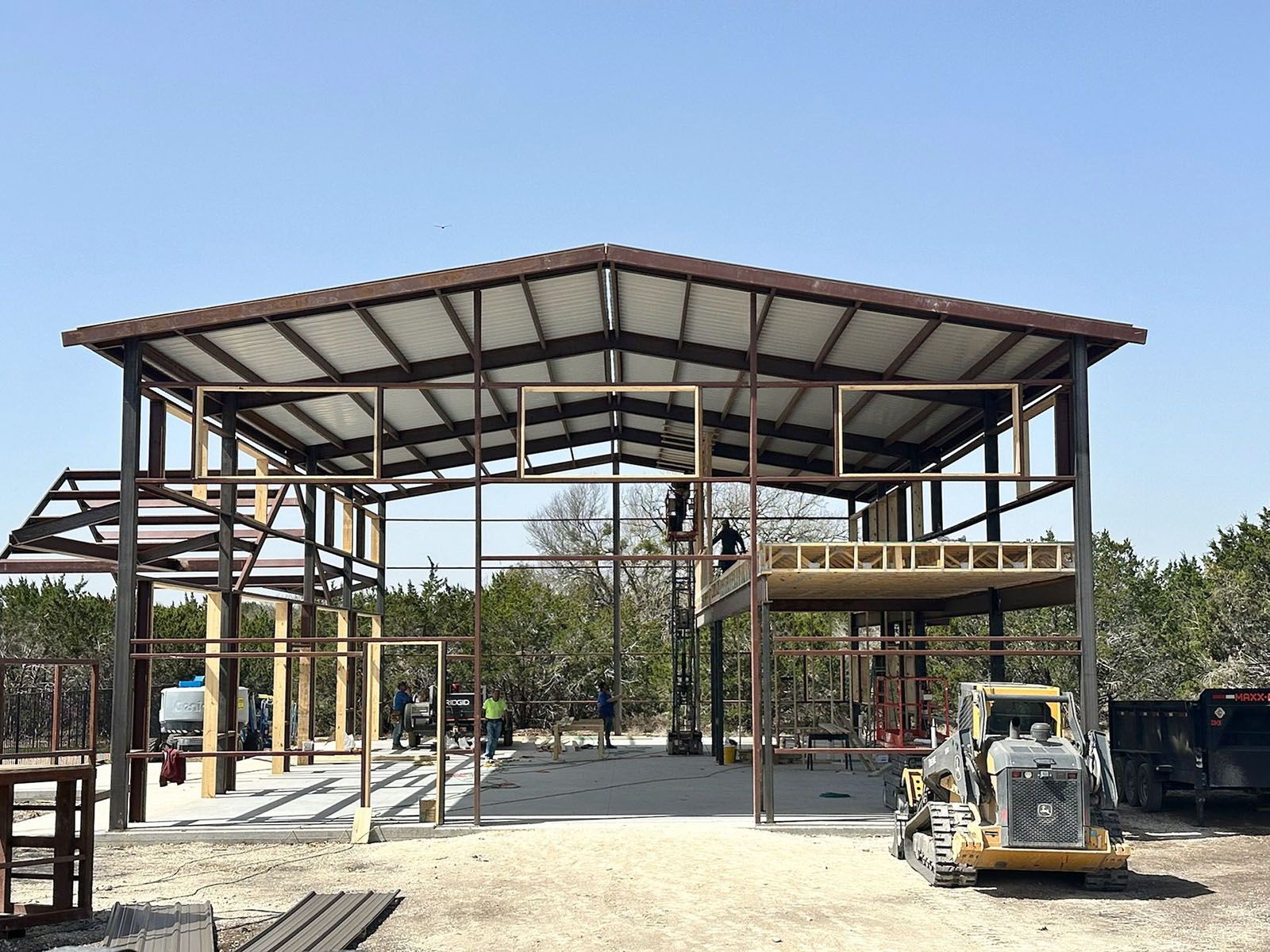
A key sustainability advantage of metal building construction lies in its manufacturing process. Many metal buildings are prefabricated, meaning components are built in a controlled factory environment before being transported to the site. This approach drastically reduces on-site waste because materials are cut precisely to specification, leaving minimal scrap. Traditional construction methods, by contrast, often produce significant excess that ends up in landfills.
Prefabrication also streamlines construction timelines, decreasing the energy and resources consumed during prolonged on-site work. Fewer transportation trips for materials and equipment reduce fuel usage and emissions, further promoting sustainability. By selecting prefabricated metal solutions, developers can achieve both ecological and practical benefits while maintaining high-quality standards.
Supporting Versatile Spaces
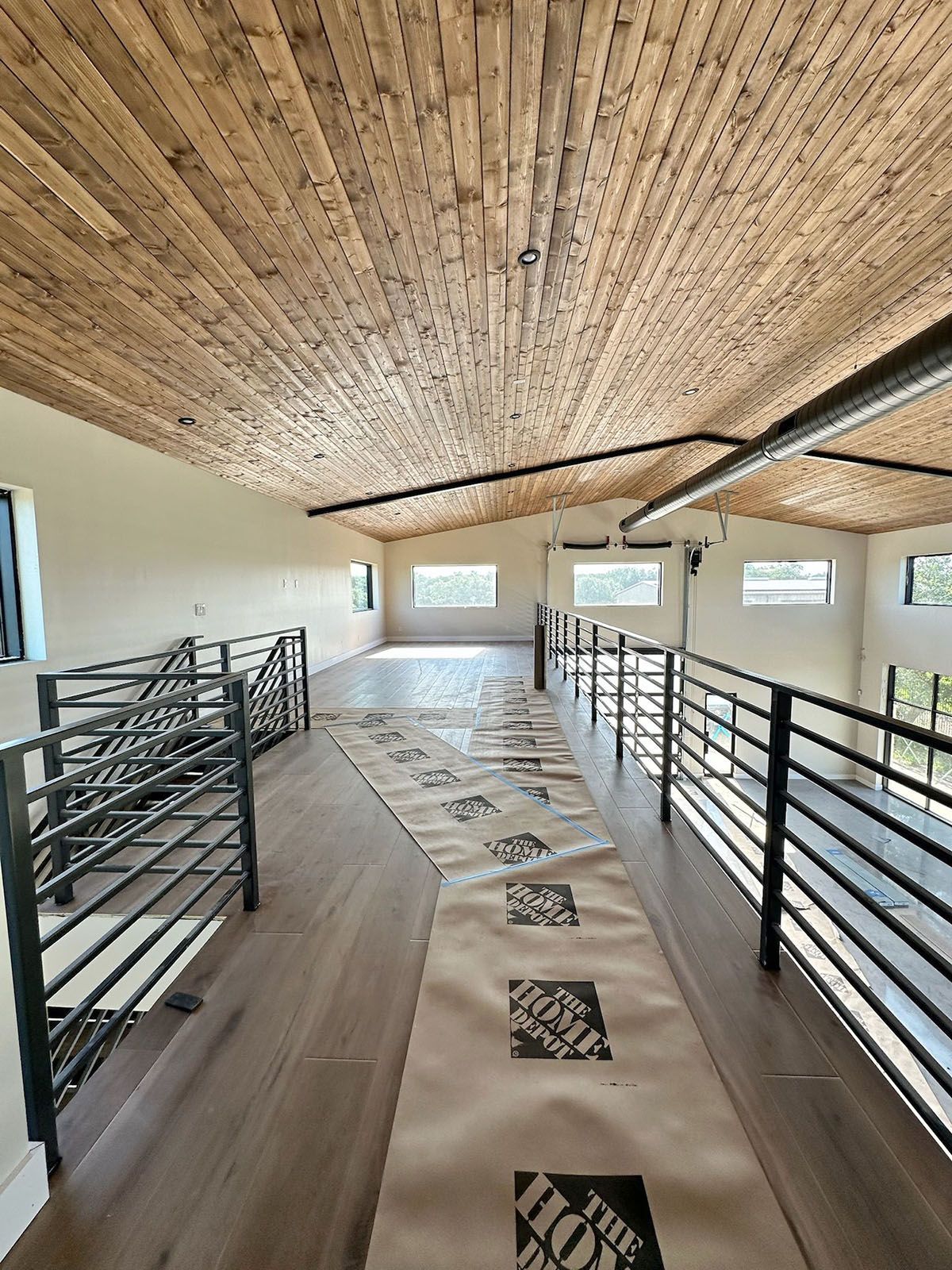
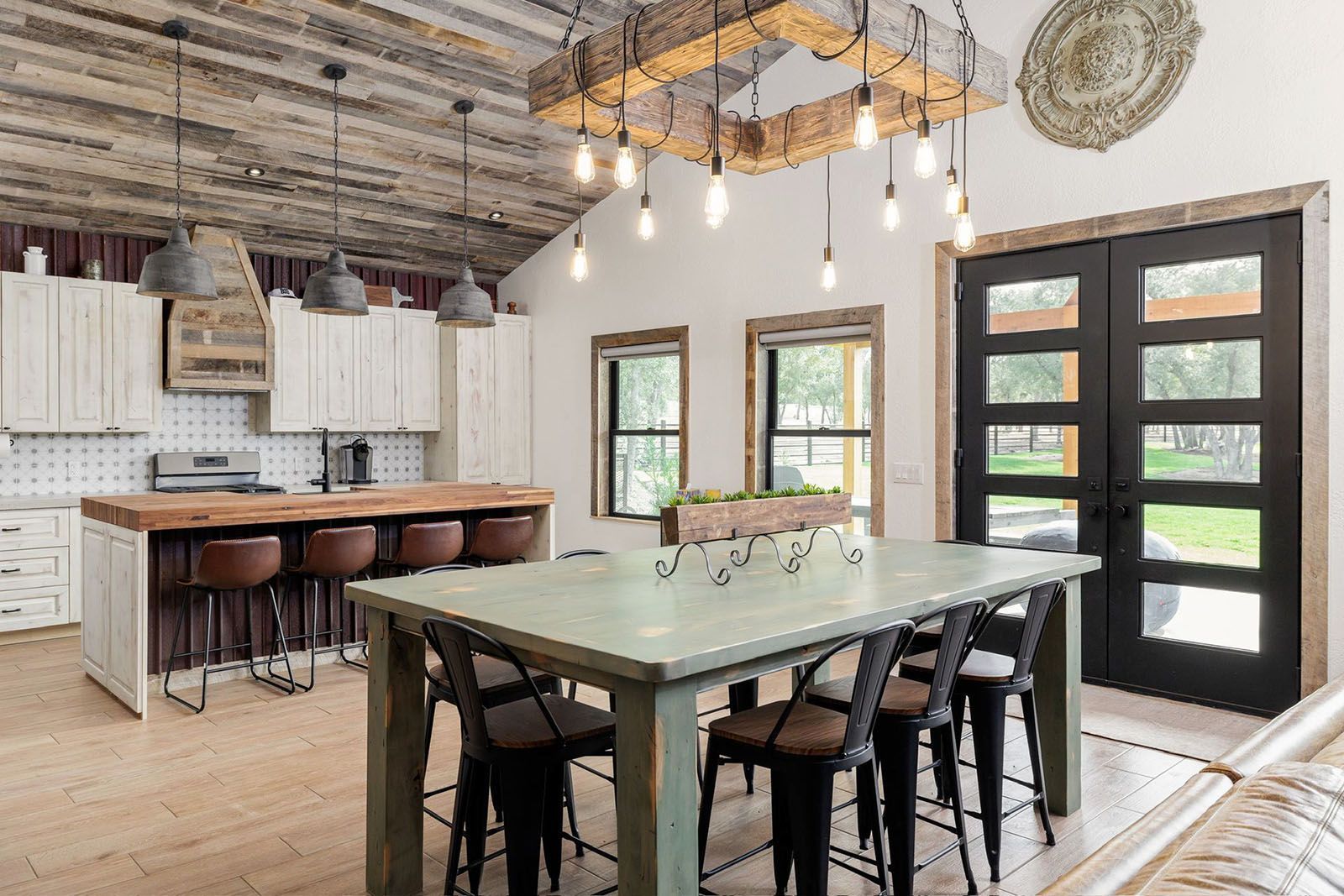
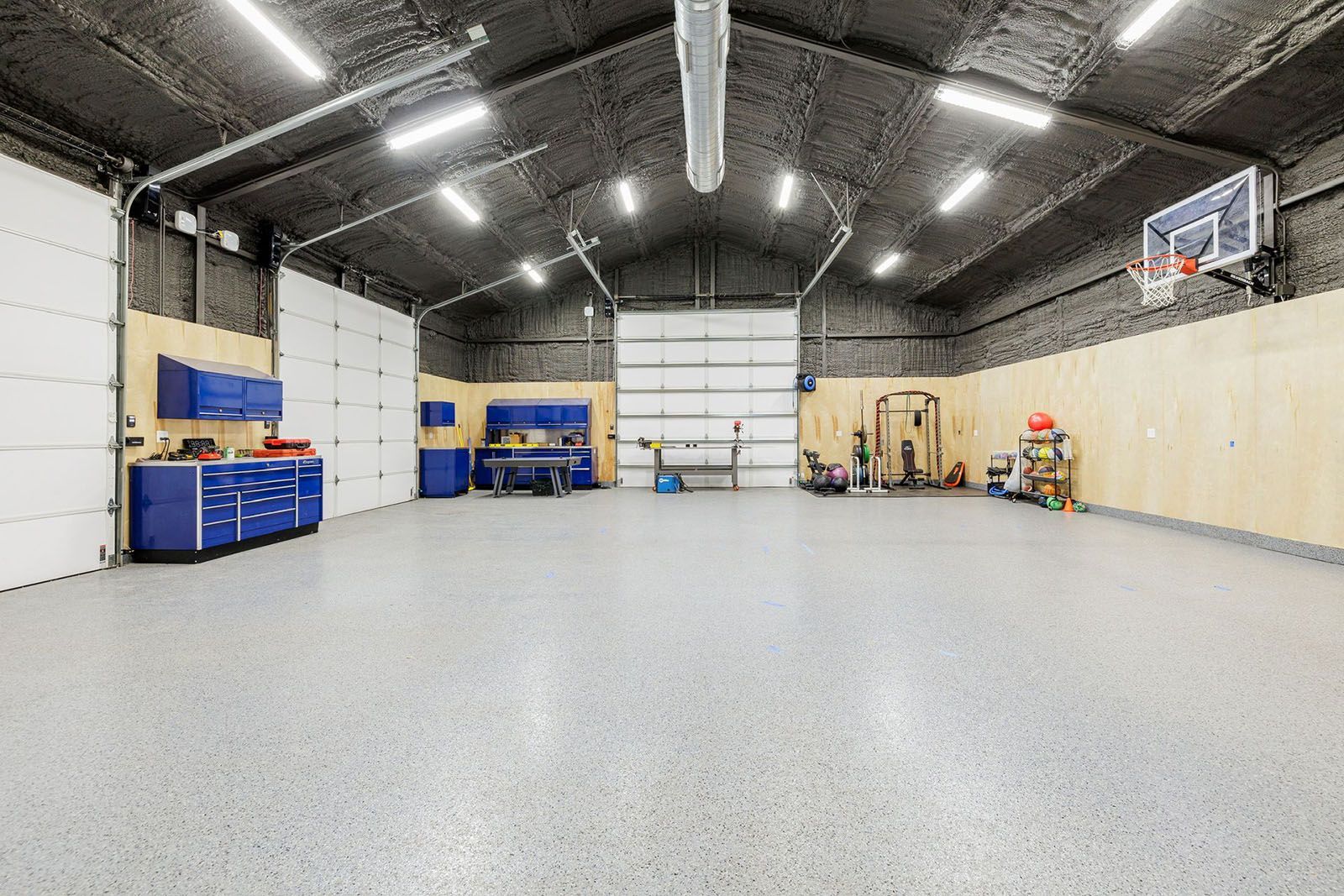
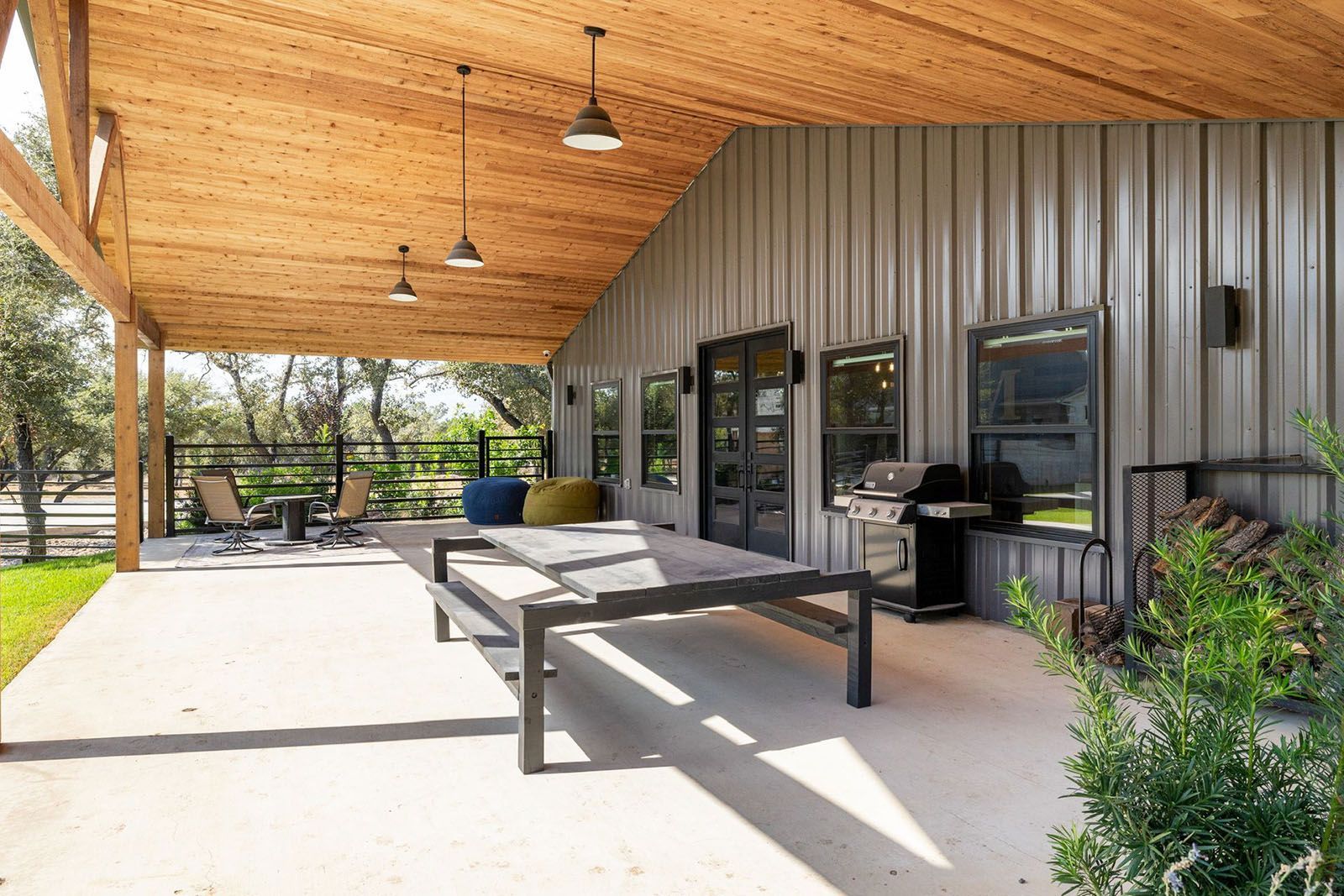
Metal building construction offers remarkable versatility, enabling designs that meet the diverse needs of contemporary homeowners and business operators. According to Residential Contractor Mag, nearly 70% of barndominiums are designed to combine living areas with expansive workshops or workspaces, instead of serving solely as residential homes. This trend highlights the growing preference for multifunctional buildings that serve both residential and operational purposes.
With metal building construction, these dual-purpose designs are achievable without compromising structural integrity. Large open interiors can be created without the need for numerous load-bearing walls, providing flexibility for future modifications. Property owners can design their spaces to accommodate changing needs, whether expanding a workshop, adding living quarters, or reconfiguring the layout. This adaptability reduces the likelihood of demolition and reconstruction, further supporting sustainable building practices.
Conserving Resources
Another significant environmental benefit of metal building construction is the use of recyclable materials. Steel and aluminum, common in these structures, are among the most recycled materials in the world. Many metal buildings incorporate recycled content in their components, and at the end of the building’s life, the materials can be fully reclaimed for new projects.
This closed-loop approach dramatically reduces the demand for virgin resources and the energy-intensive processes associated with producing new materials. Traditional construction often relies heavily on wood, concrete, and other materials with high ecological costs. By contrast, choosing metal building construction minimizes environmental impact and aligns with circular economy principles. This sustainable material choice not only benefits the planet but can also qualify projects for green building certifications and incentives.
Minimizing Environmental Impact
Construction activities often generate significant environmental disruptions, from soil erosion to noise pollution. Metal building construction, particularly when using prefabricated components, mitigates many of these impacts. Faster assembly times reduce on-site disturbances, and the precision of factory-produced materials limits waste and debris.
In addition, lighter metal frameworks require less excavation and foundation work compared to heavier traditional materials, reducing soil disruption and conserving natural land features. By streamlining the construction process and minimizing the physical footprint, metal building construction presents a more eco-friendly approach that supports both sustainable development and local ecosystems.
Promoting Long-Term Value
Sustainable benefits of metal building construction extend beyond immediate environmental considerations. The longevity, energy efficiency, and adaptability of metal buildings translate into significant long-term economic advantages. Reduced maintenance, lower utility bills, and flexible design options ensure that property owners receive the maximum return on investment while adhering to environmentally responsible practices.
Furthermore, these buildings are highly marketable in today’s eco-conscious real estate environment. Prospective buyers or tenants increasingly value energy-efficient, sustainable structures, making metal building construction a strategic choice for developers who wish to future-proof their projects. By integrating durability, recyclability, and multifunctional design, metal buildings provide both environmental stewardship and enduring financial value.
Integrating Sustainability
Working with a trusted partner is essential to maximizing the sustainable benefits of metal building construction. Local experts can guide design decisions, sourcing, and installation methods to ensure that environmental advantages are fully realized. From selecting recycled materials to optimizing energy-efficient features, knowledgeable professionals ensure that projects meet both ecological and functional goals.
In addition, local expertise allows for tailored solutions that reflect regional climate considerations, building codes, and community priorities. Partnering with experienced professionals ensures that each metal building project isn't only structurally sound but also aligned with broader sustainability objectives. This approach provides peace of mind for property owners who wish to minimize environmental impact while achieving a high-quality construction outcome.
As the construction industry continues to evolve toward greener practices, metal building construction stands out as a highly sustainable and versatile option. From energy efficiency and recyclability to durability and multifunctional design, metal structures offer comprehensive benefits for eco-conscious projects. By embracing metal building construction, developers and homeowners can create spaces that are resilient, environmentally responsible, and designed to meet the needs of modern lifestyles.
Choosing this approach allows property owners to invest in structures that conserve resources, reduce waste, and provide long-term value. Whether the goal is a residential barndominium, commercial facility, or agricultural building, metal construction delivers a practical solution that supports sustainability at every stage of the project.
For those ready to combine functionality with eco-friendly design, Laneways Enterprises offers expert guidance and superior metal building construction services tailored to your unique project needs. Contact us today to transform your vision into a sustainable, durable, and efficient reality.