March 25, 2026
A properly welded fence provides durability, security, and long-term structural stability. Whether installed for residential, commercial, or industrial use, the integrity of a fence depends heavily on the quality of its welds. When welding errors occur, they can weaken joints, accelerate corrosion, and reduce the overall lifespan of the structure.
Seeking professional help from experienced welders is one of the most effective ways to avoid these issues. Skilled welders apply the correct techniques, materials, and safety practices to maintain strong, reliable fence construction. Understanding the most common welding mistakes highlights why professional involvement is critical for preserving both performance and appearance.
Using Incorrect Materials
Material selection plays a foundational role in fence durability. Using incompatible metals or low-grade materials can result in weak welds that fail under stress. For example, combining metals with different melting points or corrosion resistance levels can create joints that deteriorate prematurely.
Professional welders evaluate material compatibility before beginning any project. They select metals that align with environmental conditions, such as humidity, salt exposure, or temperature fluctuations. This level of precision supports stronger bonds and reduces the likelihood of structural failure over time.
Applying Poor Welding Techniques
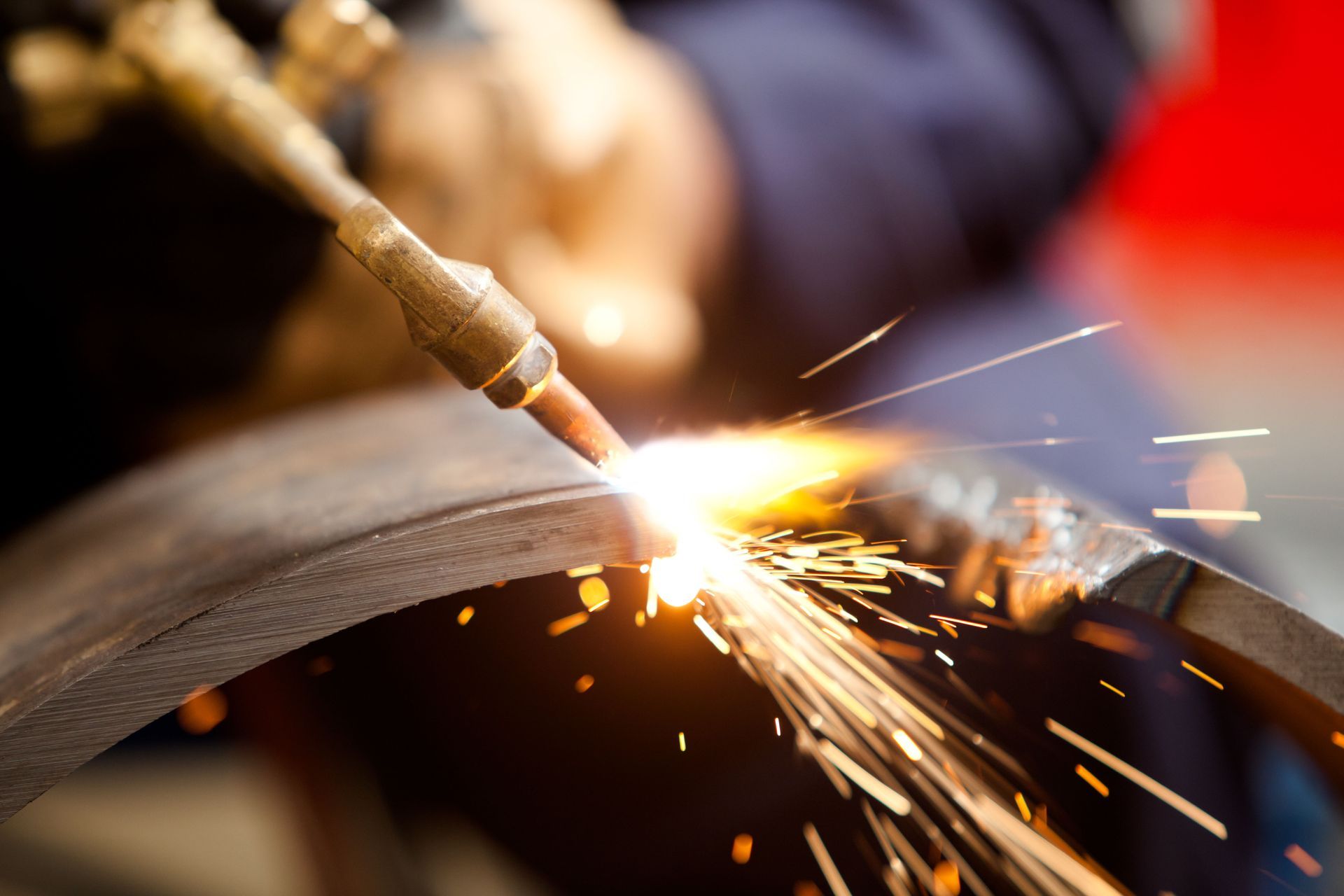
Welding requires precise control of heat, speed, and positioning. Improper technique—such as inconsistent bead placement, incorrect angles, or uneven heat distribution—can lead to weak or brittle joints. These flaws may not always be visible immediately, but can compromise the fence’s integrity over time.
Experienced welders use refined techniques that create consistent, high-quality welds. Their approach minimizes defects such as porosity, cracking, or incomplete fusion. By relying on professional welders, property owners benefit from a fence that performs reliably under daily use and environmental stress.
Overlooking Joint Preparation
Proper preparation is essential before any welding begins. Surfaces that are dirty, oily, or coated with rust can interfere with weld adhesion, resulting in weak connections. Failing to clean and prepare joints properly increases the risk of defects that may lead to early failure.
Professional welders dedicate time to preparing each joint thoroughly. This includes cleaning surfaces, removing contaminants, and aligning components correctly. Careful preparation supports stronger weld penetration and long-lasting structural performance.
Ignoring Heat Control Factors
Heat management is a critical aspect of welding that directly affects the strength of the final product. Excessive heat can warp metal, while insufficient heat can prevent proper fusion between components. Both scenarios can weaken the fence and reduce its durability.
Skilled welders carefully regulate temperature based on the materials and welding method being used. Their ability to balance heat input helps maintain structural integrity while preventing distortion or stress fractures. This level of control is essential for producing dependable fencing systems.
Creating Weak Weld Joints
Weak weld joints are one of the most common issues that compromise fence stability. These can result from poor technique, improper settings, or rushed work. Weak joints may hold temporarily but often fail under pressure, leading to sagging or separation.
Professional welders focus on achieving full penetration and proper bonding at every joint. Their attention to detail strengthens connection points, allowing the fence to withstand external forces such as wind, impact, or shifting ground conditions.
Allowing Inadequate Penetration
Penetration refers to how deeply the weld fuses into the base metal. Inadequate penetration results in shallow bonds that lack strength and durability. This issue can remain hidden beneath the surface while gradually weakening the structure.
Experienced welders adjust equipment settings and techniques to achieve optimal penetration for each material. This approach creates stronger welds that maintain their integrity over time, reducing the risk of unexpected failures.
Neglecting Post-Weld Treatment
The welding process does not end once the joint is completed. Post-weld treatment, such as cleaning, grinding, and applying protective coatings, plays a significant role in the fence’s longevity. Skipping these steps can leave welds vulnerable to corrosion and environmental damage.
Professional welders complete thorough post-weld finishing to protect the structure. This includes smoothing rough edges and applying coatings that shield against moisture and oxidation. Proper finishing enhances both durability and visual appeal.
Exposing Metal to Corrosion
Fences are constantly exposed to environmental elements, making corrosion a major concern. Poor welding practices can leave gaps, cracks, or unprotected surfaces that allow moisture to penetrate and accelerate rust formation.
Skilled welders address corrosion risks during both the welding and finishing stages. They can help extend the life of the fence by sealing joints properly and applying protective treatments. This proactive approach reduces maintenance needs and preserves structural integrity.
Misaligning Structural Components
Accurate alignment is essential for a fence to function properly. Misaligned components can create uneven stress distribution, leading to bending, warping, or premature failure. Even minor alignment issues can affect both performance and appearance.
Professional welders use precise measurements and positioning techniques to maintain proper alignment throughout the welding process. Their attention to detail results in a fence that is both structurally sound and visually consistent.
Rushing the Welding Process
Speed can negatively impact quality when welding is performed without adequate time and attention. Rushed work often leads to incomplete welds, overlooked defects, and inconsistent results. These issues may not be immediately apparent but can compromise the fence over time.
Experienced welders follow a methodical approach that prioritizes accuracy and durability. Taking the time to complete each step correctly results in stronger welds and a more reliable finished product.
Failing to Inspect Completed Work
Inspection is a critical step in identifying potential issues before they become serious problems. Without proper evaluation, defects such as cracks, weak joints, or incomplete welds may go unnoticed.
Professional welders conduct thorough inspections after completing their work. This includes visual checks and, when necessary, more advanced testing methods. Regular inspections help maintain the fence's performance and prevent costly repairs in the future. Consistent evaluations also help identify early signs of wear caused by environmental exposure or repeated stress.
Underestimating Environmental Impact
Environmental conditions can significantly affect welding outcomes and long-term fence performance. Factors such as humidity, temperature, and exposure to salt or chemicals can influence both the welding process and the durability of the finished structure.
Skilled welders take these conditions into account when planning and executing a project. They select appropriate materials, adjust techniques, and apply protective measures that align with the surrounding environment. This strategic approach helps maintain the fence’s strength and longevity.
Recognizing the Value of Professional Welders
Fencing plays a vital role in defining property boundaries, enhancing security, and improving overall appearance. According to the United States Forest Service, about 50% of all houses in the U.S. have a fenced yard, most commonly the backyard. With such widespread use, the quality of fence construction becomes increasingly important.
Professional welders bring the knowledge and experience required to avoid common mistakes that can compromise fence integrity. Their work supports long-term performance, reduces the likelihood of structural issues, and contributes to a more durable and visually appealing result.
Welding mistakes can significantly impact the strength, safety, and lifespan of a fence. From material selection and joint preparation to heat control and finishing, every step plays a role in the final outcome. Seeking professional help from qualified welders helps prevent these common issues while supporting a more reliable and long-lasting structure. For dependable results and long-term fence performance, contact the skilled welders at Laneways Enterprises today to keep your fence strong, secure, and built to last!