May 21, 2026
Urban environments present a distinct set of challenges for property owners who wish to protect their vehicles while maintaining the visual integrity of their properties. The scarcity of available land in metropolitan centers requires a thoughtful approach to architectural additions, particularly when dealing with constrained driveways. Developing a tailored vehicular shelter in these high-density areas demands an intelligent synthesis of spatial economy, regulatory adherence, and architectural harmony. Property owners must move away from generic, one-size-fits-all idea of a carport and instead embrace sophisticated planning methods that respect the existing footprint of the lot.
Navigating these challenges requires looking closely at how structural elements interact with the available footprint of a property. A premium shelter should not merely occupy space but should actively complement the existing residence by mimicking its architectural lines and material palette. By carefully considering factors such as property boundaries, setback regulations, and aesthetic compatibility, it is possible to transform a small driveway into a highly functional zone.
Assessing Space Constraints
Analyzing the physical boundaries and structural opportunities of a small urban plot is the foundational step in developing a premium shelter. High-density residential zones frequently features narrow driveways, unusual lot shapes, and close proximity to neighboring structures, all of which require precise measurement and spatial mapping. Every square foot of your potential carport must be evaluated to determine how a structure will impact natural light filtration, pedestrian walkways, and vehicle maneuverability. A meticulous site assessment ensures that the final installation integrates smoothly with the existing architecture without creating visual clutter or physical bottlenecks.
Beyond the physical dimensions, local zoning laws and municipal building codes play a defining role in shaping the final structure. Urban municipalities strictly regulate setbacks, height limitations, structural footprints, and construction materials to maintain neighborhood safety and uniformity. Navigating these legal parameters requires a comprehensive review of local ordinances and often involves securing specific permits before any construction begins. Engaging professional architects or specialized builders early in the process ensures full compliance with these complex codes, preventing costly modifications or delays while establishing a sound foundation for the project.
Selecting Premium Materials
Choosing the right components for an urban structure is vital for ensuring long-term durability and resistance to the elements. Urban microclimates often subject structures to unique stressors, including concentrated environmental pollution, wind patterns created by nearby buildings, and intense temperature fluctuations. Utilizing high-performance metals such as structural steel or aircraft-grade aluminum provides an exceptionally strong framework that resists corrosion, warping, and degradation over time. These materials offer the necessary structural integrity to support advanced design features while maintaining a sleek, sophisticated profile on your carport that complements modern urban architecture.
Incorporating sustainable and environmentally responsible materials has also become a priority for forward-thinking homeowners who wish to reduce their ecological footprint. Responsibly sourced engineered wood, composite materials, and integrated energy systems represent excellent choices for combining luxury with environmental consciousness. According to Grandviewresearch.com, the North America solar carport market generated a revenue of USD 179.8 million in 2024, highlighting the growing interest in such sustainable solutions. By selecting high-caliber, weather-resistant materials and incorporating eco-friendly technology, property owners ensure their investment remains a durable and highly efficient asset for decades to come.
Integrating Flexible Concepts
Embracing forward-thinking architectural concepts can revolutionize how a limited driveway space functions on a daily basis. Standard static structures often restrict the versatility of a small yard, whereas adaptable configurations allow the area to evolve based on immediate needs. Retractable canopies and modular framing systems offer the unique ability to provide robust protection when a vehicle is parked, and then open up completely to create an airy pavilion for outdoor relaxation or entertaining. This flexibility is incredibly valuable in urban settings, where maximizing the utility of every square inch enhances the overall living experience.
Another sophisticated approach involves the incorporation of multi-layered utility within the structure itself. Overhead space can be engineered to support extensive green roof systems, which mitigate the urban heat island effect, improve local air quality, and provide natural insulation. Furthermore, integrating architectural lighting elements directly into the framework enhances safety, ensures effortless nighttime parking, and accentuates the structural design after dark. By focusing on these versatile and technologically advanced features, a simple parking area is elevated into a dynamic, multi-purpose architectural highlight of the property.
Maximizing Spatial Efficiency
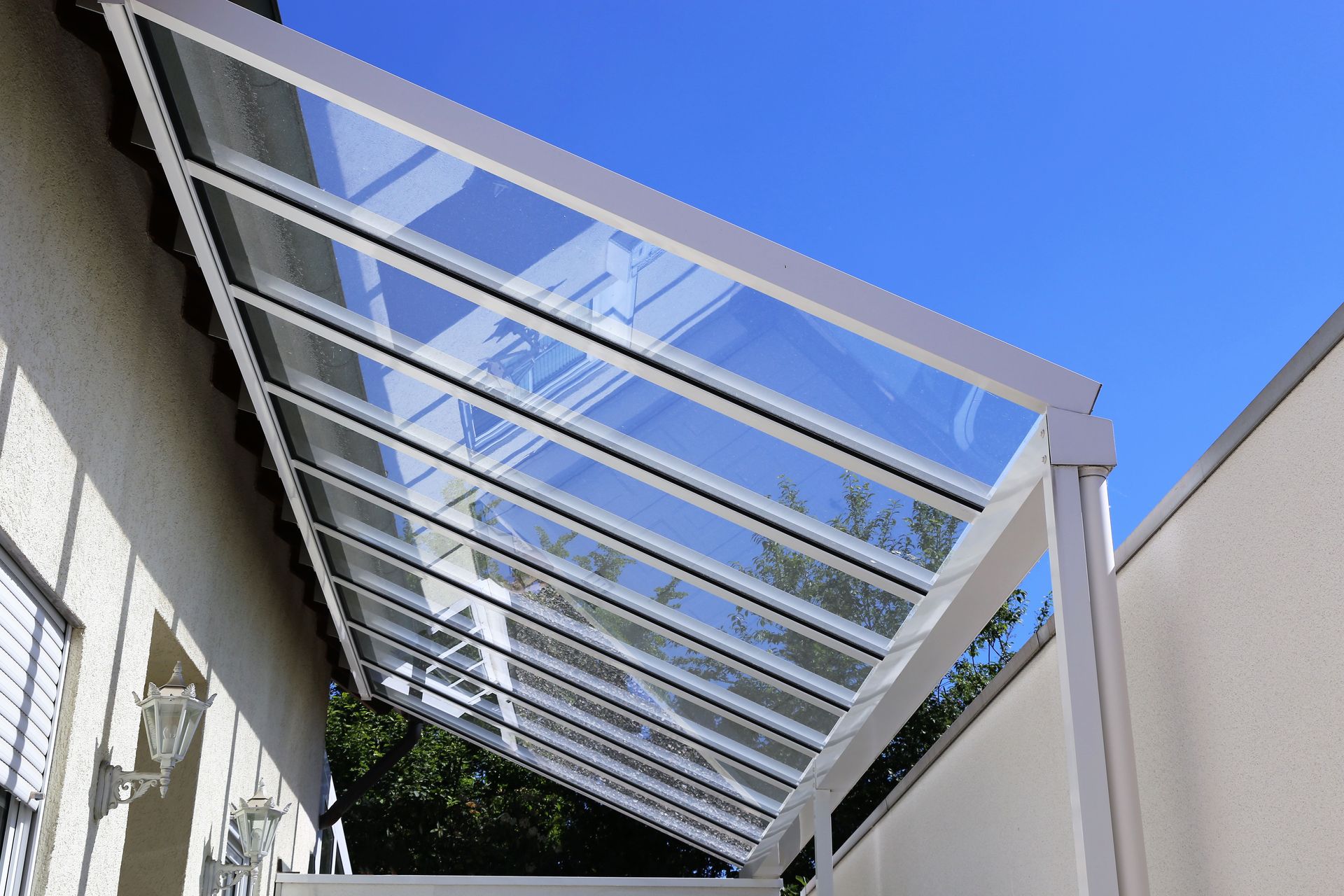
Optimizing a constrained footprint requires a commitment to minimalist design principles and clever space-saving mechanisms. A compact structural profile utilizes clean lines, slender support pillars, and cantilevered roofs to eliminate the need for excessive ground-level supports that block movement. By reducing the physical footprint of the structural pillars, drivers gain precious inches of clearance, making vehicle door operation and entry maneuvers much safer and more comfortable. This minimalist approach proves that structural strength does not require bulky, obtrusive designs.
Utilizing vertical surfaces within the structure represents another highly effective method for reclaiming valuable ground-level space. Custom wall-mounted racking systems, integrated tool lockers, and overhead storage lofts allow homeowners to organize bicycles, maintenance equipment, and seasonal items without encroaching on the parking area. Additionally, implementing premium sliding or folding panel systems can enclose specific sections of the structure when security or severe weather protection is required, only to tuck away neatly when open access is preferred. This meticulous organization ensures the entire area remains tidy, visually appealing, and completely free of clutter.
Enhancing Property Aesthetics
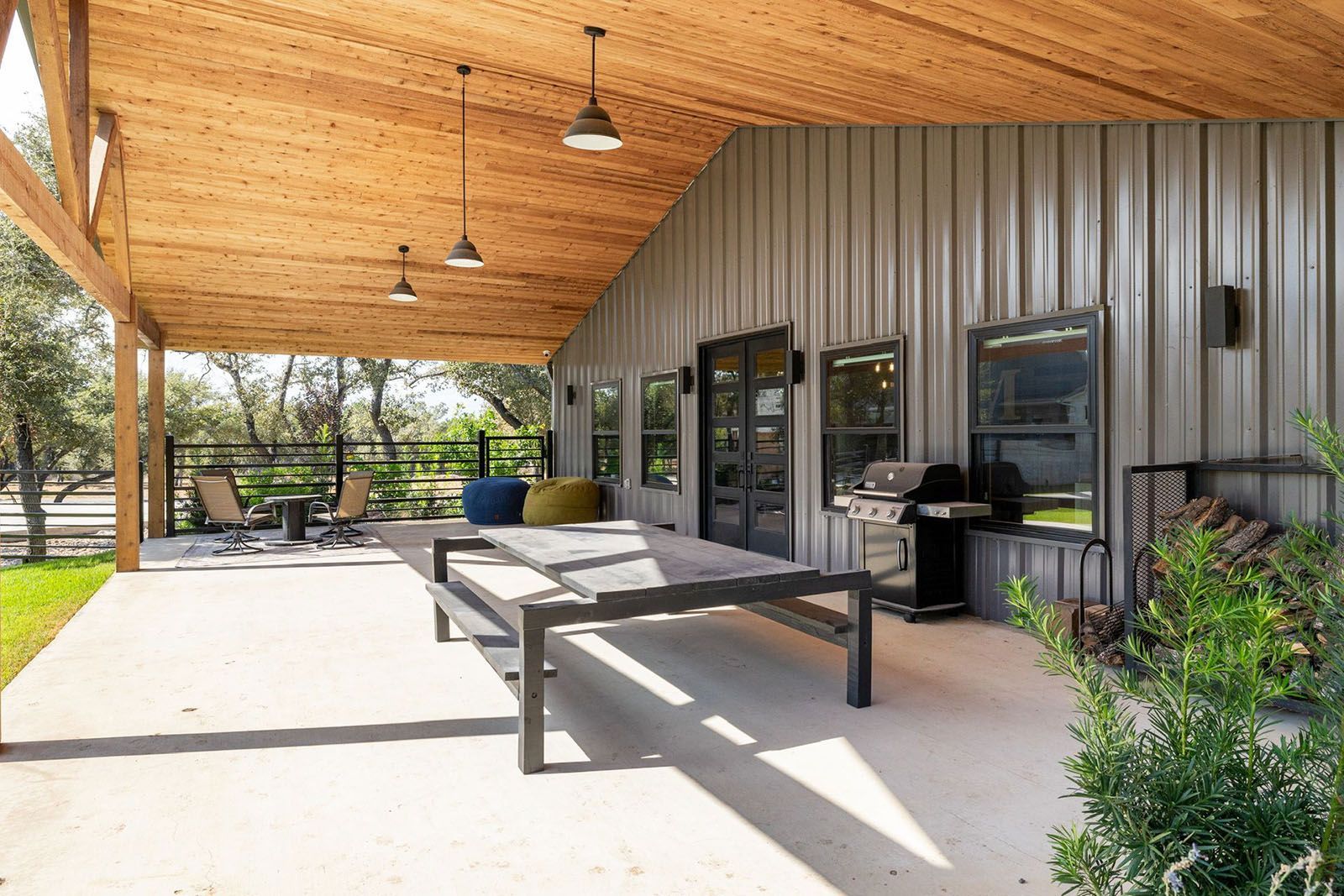
Elevating the visual appeal of a vehicular shelter involves meticulous attention to color theory, texture, and architectural continuity. Custom powder coatings, premium paint finishes, and specialized wood stains should be selected to match or thoughtfully contrast with the primary residence's color scheme. By mirroring the window trims, fascia boards, or masonry tones of the main house, the new structure appears as an intentional, seamless extension of the original estate rather than an afterthought. This high level of visual integration significantly boosts the curb appeal and overall market value of the urban property.
Complementing the structural frame with sophisticated landscaping and decorative paneling further refines the overall presentation. Incorporating vertical gardens, climbing vines, or custom privacy screens made of laser-cut metal or exotic hardwoods introduces natural textures that soften the industrial elements of the frame. Strategic placement of architectural uplighting can showcase these textures at night, creating a dramatic and welcoming ambiance. When every detail, from the structural joints to the surrounding flora, is curated with artistic intent, the final installation becomes a stunning focal point that reflects the sophisticated taste of the homeowner.
Allocating Financial Resources
Managing the fiscal aspects of a premium construction project requires a thorough understanding of component costs, labor investments, and long-term value generation. A detailed financial plan should account for initial site preparation, custom engineering, premium material procurement, and professional installation fees. While high-grade metals, custom finishes, and integrated technology demand a higher initial investment, they dramatically reduce future maintenance expenses and replacement costs. Prioritizing quality during the initial phase ensures the structure remains pristine and functional, delivering a superior return on investment over time.
Exploring financial incentives and long-term operational savings can also influence the budgeting process in a positive way. Certain municipalities and federal programs offer tax credits or rebates for installing energy-efficient systems, such as solar panels or green roofs, which can offset a portion of the upfront construction costs. Additionally, obtaining comprehensive quotes from established, high-end builders allows homeowners to compare structural options and select the most efficient path forward. Balancing immediate construction costs against the long-term appreciation of property value allows for an investment that is both financially responsible and highly rewarding.
Transforming a limited urban driveway into a sophisticated sanctuary for vehicle protection requires an intelligent combination of spatial awareness, high-quality materials, and inspired design. By moving past traditional constraints and embracing cantilevered frames, modular flexibility, and premium finishes, city residents can enjoy exceptional utility without sacrificing the elegance of their outdoor spaces. Every element of the design process, from the initial regulatory review to the final landscaping accent, plays a pivotal role in creating a harmonious addition to the home. Investing in a custom
carport ensures that your vehicle remains shielded from the elements while your property gains a beautiful, value-enhancing architectural feature. To begin the journey of elevating your urban property with a bespoke, expertly crafted shelter that perfectly balances form and function, contact Laneways Enterprises today to consult with our premier design specialists.